
 by
Christian Fischer

Most SEO strategies are built on a foundation of text and backlinks, but in 2026, the Visual Web has changed the rules. As Google leans more heavily into AI-driven image recognition and user experience metrics, the source of your media matters more than ever. Many creators ask: Is a premium subscription like Shutterstock actually an SEO advantage?
While free resources are tempting, they often come with a hidden cost: reduced search visibility. To win in today’s rankings, your imagery needs to be more than just a placeholder—it needs to be a performance asset. And that’s where Shutterstock can help.

Exclusive: 15% off all standard subscriptions and packages from Shutterstock!
Get 15% off all standard subscriptions and packages from Shutterstock now!
Shutterstock: 15% Off Video Packs and Subscriptions
Enjoy a 15% discount on any video subscription or video pack!

Google’s visual search technology can now identify identical images across millions of domains. When you pull a popular photo from a free site, you are entering a visual echo chamber. If 500 other blogs in your niche use that same photo, your content loses its sense of freshness and authority.
Using Shutterstock, you can eliminate that risk and boost your blog’s potential:
Exclusive: 15% off all standard subscriptions and packages from Shutterstock!
Get 15% off all standard subscriptions and packages from Shutterstock now!
Shutterstock: 15% Off Video Packs and Subscriptions
Enjoy a 15% discount on any video subscription or video pack!
In 2026, your Page Experience score is a make-or-break ranking factor. The biggest bottleneck for Largest Contentful Paint (LCP) is almost always unoptimized media.
Many free images are uploaded as massive, uncompressed files. Shutterstock counters this by integrating professional editing tools directly into the workflow. You can modify the dimensions and crop the image to fit your blog’s specific requirements before you ever download it, ensuring your site remains lean and fast.
SEO Quick Wins:

Google doesn’t just look at pixels; it looks at the data surrounding them. Because premium stock photos are typically professionally composed and clearly defined, Google’s AI can more accurately read the subject matter.
To turn your images into SEO magnets, utilize these three pillars:

There is a legal side to SEO that is often ignored: site integrity. The rise of automated copyright bots means that using an incorrectly licensed free image can lead to a DMCA takedown notice.
If your URL is hit with a copyright claim, Google may de-index that page entirely to comply with legal standards. Years of SEO growth can be wiped out by one licensing error.
A Shutterstock subscription acts as legal SEO insurance, providing indemnification and a clear paper trail that protects your site’s presence in the SERPs (Search Engine Results Pages).
Is Shutterstock worth it for a blog? If you view your website as a business asset, the answer is a clear yes. The combination of visual uniqueness, technical optimization tools, and legal security creates a foundation that free sites simply cannot match. In a crowded digital market, high-quality licensed visuals are a powerful signal to both Google and your audience that your site is a leading authority.
Don’t let generic photos hold your rankings back. Explore Shutterstock’s premium library and give your blog the professional edge it needs to dominate the search results.
Exclusive: 15% off all standard subscriptions and packages from Shutterstock!
Get 15% off all standard subscriptions and packages from Shutterstock now!
Shutterstock: 15% Off Video Packs and Subscriptions
Enjoy a 15% discount on any video subscription or video pack!
THE AUTHOR
Christian Fischer
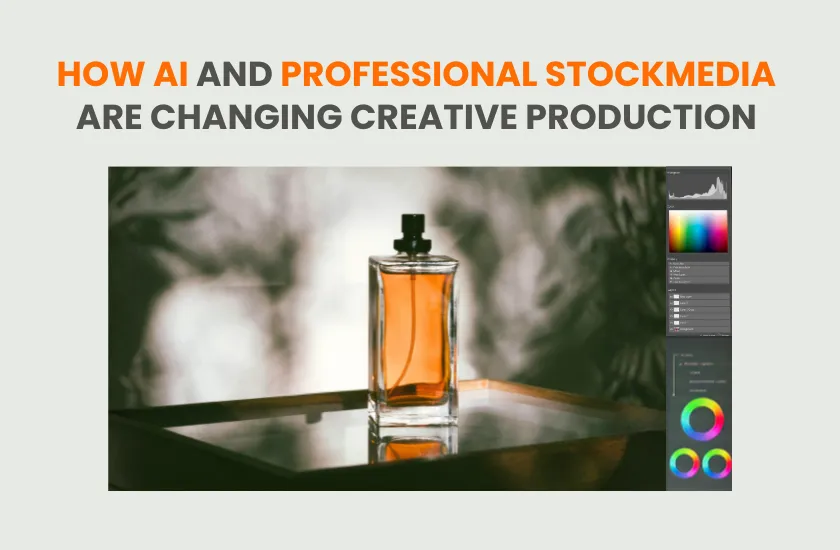
Modern marketing has a production problem. Brands are expected to create more content, for more channels, at a faster pace than ever before. A single campaign may need dozens of visual assets before it reaches all of its intended audiences. Yet many creative workflows still begin in the same place: zero. Every new campaign starts with sourcing, […]

Artificial intelligence has changed the speed at which marketing teams can produce visual ideas. Campaign concepts can now be explored in minutes, multiple versions can be created almost instantly, and designers can test directions that once required far more manual effort. For organizations under constant pressure to publish more content across more channels, this is […]

B2B marketing has changed a lot in recent years. Attention spans are shorter, and expectations are higher. Businesses are not only competing with their offers, but also with how clearly they present them. Visual content, especially video, has become more important across channels. Still, not all content delivers the same results. Understanding what tends to work […]