
 by
Dean Ford
by
Dean Ford
When building a brand identity, licensing becomes a critical part of the design process. Many users assume that purchasing an extended license automatically gives them the freedom to use a stock image inside a logo or trademark. It feels logical: you paid more, so surely the rights must be broader. The problem is that extended licenses expand commercial use, not ownership. And ownership is the foundation of trademark protection.
Shutterstock: 15% Off Video Packs and Subscriptions
Enjoy a 15% discount on any video subscription or video pack!
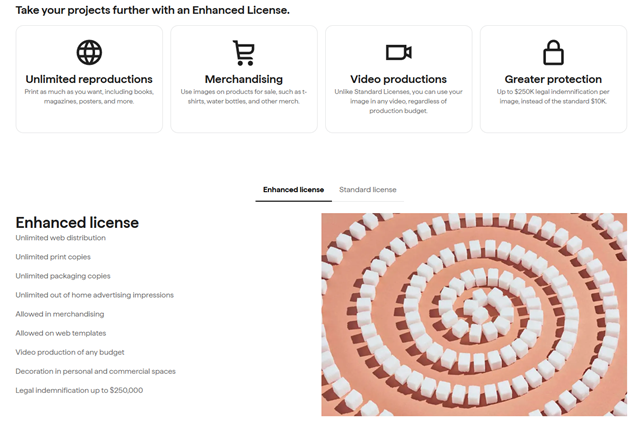
Extended licenses are designed for scale. They let you use an image in high-volume projects, products for resale, large print runs, packaging, advertising campaigns, and commercial materials that go well beyond what standard licenses permit. They remove print limits and allow revenue-generating uses, giving you freedom to design, sell, and distribute without worrying about impressions or quantities. But this freedom applies only to use. It does not give you exclusive rights, and it does not allow you to claim the image as part of your brand’s identity in a legal sense.
A trademark must be something your business can own, protect, and enforce. That requires a visual element that is original and exclusive to your brand. Stock photography, regardless of license type, can’t meet that requirement. The photographer retains copyright, and the image remains available to other customers. Even if you modify the photo—cropping, recoloring, layering shapes, adding typography—the underlying image still belongs to its creator. Trademark offices routinely reject any mark built from a stock image because you cannot claim ownership of a licensed photograph, and you cannot prevent someone else from using the same asset.
While extended licenses can’t be used for a logo, they are essential for broader branding. They are ideal for packaging, merchandise, catalogs, social media visuals, advertising materials, product labels, website graphics, and commercial templates. These are areas where scale matters far more than exclusivity, and extended rights provide exactly the flexibility you need. Many brands keep their logo completely original while using stock photography everywhere else. This is standard industry practice, perfectly safe, and often the most efficient way to maintain a consistent aesthetic across all brand touchpoints.
If you’re developing a trademarked brand symbol, you need a fully original visual asset. That could mean creating your own vector design, commissioning an illustration, hiring a photographer, or building a graphic element from scratch. These options ensure you have full rights to the final artwork, and they allow you to register the mark without legal risk. Stock imagery can still inspire your creative direction—moodboards, themes, color palettes, lighting styles—but it can’t appear inside the final trademarked logo.
So, can you use an extended-licensed image for logos or trademarks? No. Extended licenses give you more commercial freedom, not exclusive ownership. You can scale your marketing, create merchandise, and build high-volume visuals—but you cannot build a trademark around a stock photo. For logos, stick to original creations. For everything around your logo, extended-licensed images are powerful, flexible, and completely safe to use.
THE AUTHOR
Dean Ford
When using coupons and promo codes online, the expiration date is a common concern, especially when it is not explicitly stated. Nobody likes finding a great deal only to have it fail at the final second! iStock, like many other stock media agencies, runs promotions and sales throughout the year, some with shorter lifespans than others. This […]
Ever come across a great iStock promo code but feared it wouldn’t work because of your geographic location? We’re here to put your mind at ease. The current iStock partner codes are designed for a global audience. At Photocase, we have two awesome iStock discount codes available to you, no matter where you are in the world. […]

Have you ever been about to confirm a purchase on iStock, happy that you have a promo code to save money, and then doubt crept in about whether you should wait and see if a bigger sale comes along? You’re not alone; since iStock hosts more than one sale event every year, it’s common for users to wonder […]