
 by
Christian Fischer
by
Christian Fischer
In the realm of digital content, particularly web design, visuals are indispensable for capturing attention and enhancing user engagement. However, there are legal considerations for using stock photos on a website that must be understood to avoid potential pitfalls. This guide delves into the best practices for sourcing and utilizing stock photos while ensuring compliance with copyright laws.
Please note: The team of Photocase.com does not consist of lawyers. If you need legal advice, please contact an attorney.
Images serve as powerful communication tools, capable of conveying messages and evoking emotions more effectively than text alone. They enhance the aesthetic appeal of your website and play a crucial role in attracting and retaining visitors. Understanding the permission and licensing requirements for stock photos and also how to effectively incorporate visuals into your content is vital for any website owner or content creator.
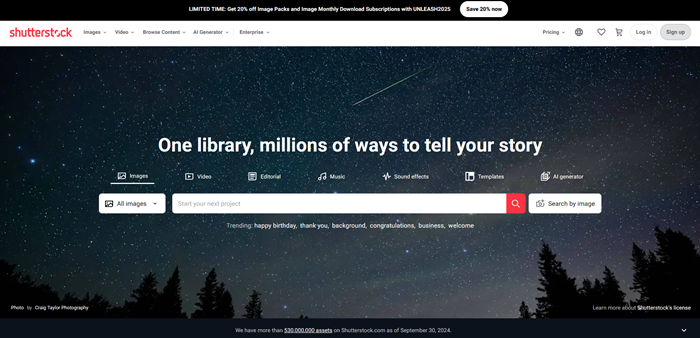

Exclusive: 15% off all standard subscriptions and packages from Shutterstock!
Get 15% off all standard subscriptions and packages from Shutterstock now!
Before using any image, it’s essential to grasp the legal stipulations and licensing agreements associated with it. Here are some important points to consider about stock photos:


Getty Images 30%
Getty Images Discount || Save up to 30% with Ultrapacks!
To maximize the benefits of stock photos while minimizing legal risks, consider the following best practices:
Finding the right images is key to maintaining a professional look on your website. And ensuring legal status is crucial to protect your brand and guarantee an ethical use of artists’ work. Below are some reputable platforms that have high-quality and legally safe stock photos:
| Platform | License Type | Features |
| Shutterstock | Royalty-Free | Commercial-styled images in a massive catalog, perfect for marketing and advertising |
| iStock | Royalty-Free | High-end, exclusive imagery at affordable prices |
| Adobe Stock | Royalty-Free | Trendy content, full integration with Adobe apps |
| Stockphotos.com | Royalty-Free | Budget-friendly plans, unlimited downloads, ideal for a small or medium-sized business |
If you’re deciding whether to buy stock photos for your website, it’s essential to weigh the advantages and disadvantages:
| Pros | Cons |
| A wide variety of images is available. | Potential for overuse of popular images, leading to a lack of originality. |
| Cost-effective, much more affordable than custom shots. | Licensing terms must be followed carefully. |
| Time-saving compared to custom photography. | Quality can vary significantly between sources. |
| Access to professional-quality images. | Some images may not align perfectly with your brand’s message. |
Using stock photos can significantly enhance the visual appeal of your website, but it is crucial to do so responsibly. If you understand the legal aspects, follow best practices, and choose reliable sources, you can create a visually stunning and compliant online presence. Be sure to choose images that align with your brand and message, and always respect copyright laws to avoid potential pitfalls.
With the right approach, stock photos can be a valuable asset in your content strategy, that should engage your audience and elevate your brand.
Source Screenshot Shutterstock mainpage: https://www.shutterstock.com/g/craigtaylorphotography
THE AUTHOR
Christian Fischer
When using coupons and promo codes online, the expiration date is a common concern, especially when it is not explicitly stated. Nobody likes finding a great deal only to have it fail at the final second! iStock, like many other stock media agencies, runs promotions and sales throughout the year, some with shorter lifespans than others. This […]

Ever come across a great iStock promo code but feared it wouldn’t work because of your geographic location? We’re here to put your mind at ease. The current iStock partner codes are designed for a global audience. At Photocase, we have two awesome iStock discount codes available to you, no matter where you are in the world. […]

Have you ever been about to confirm a purchase on iStock, happy that you have a promo code to save money, and then doubt crept in about whether you should wait and see if a bigger sale comes along? You’re not alone; since iStock hosts more than one sale event every year, it’s common for users to wonder […]